Save 25% on Mountain Art.
Free shipping on qualifying orders.


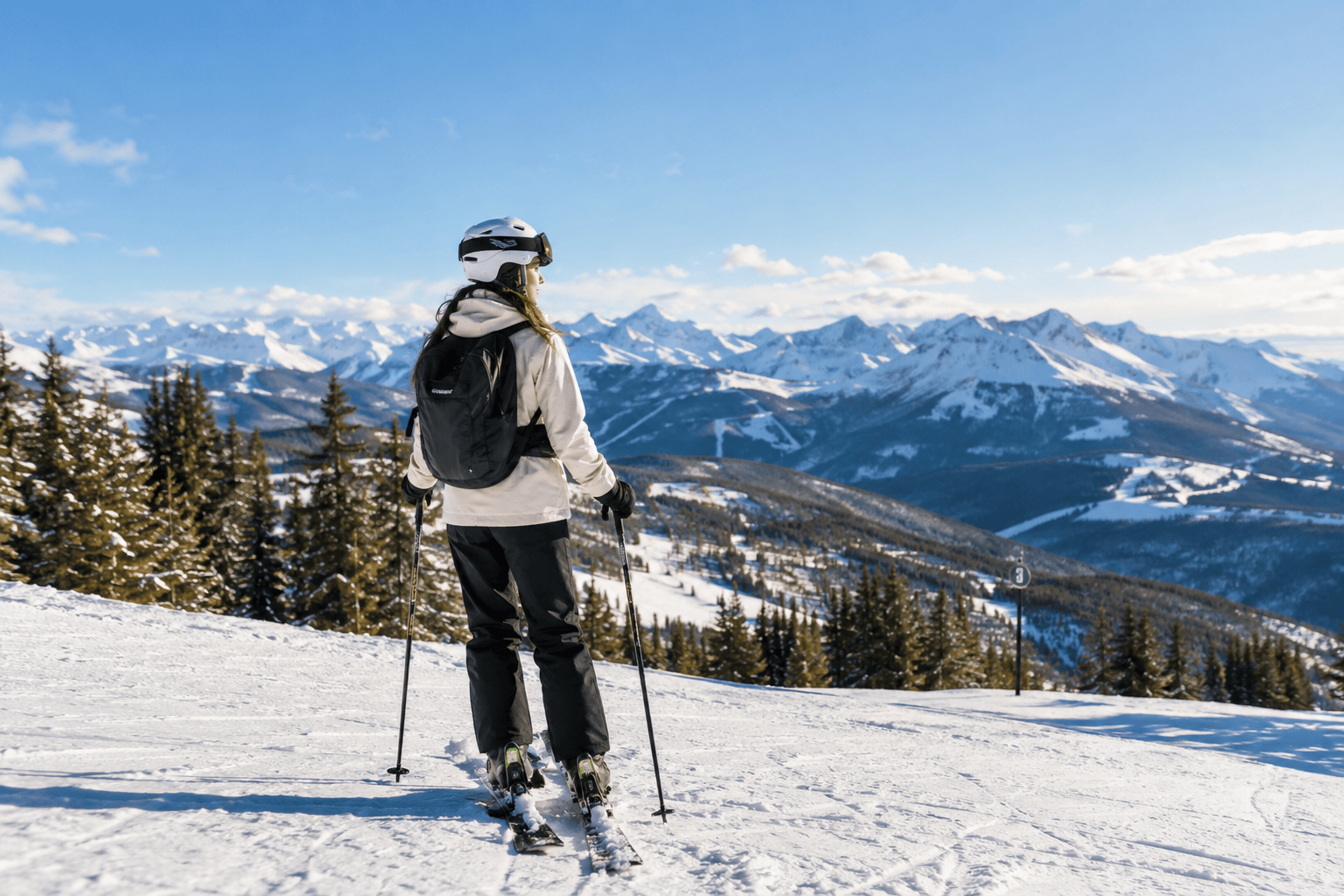
Skiing Safety Rules for Beginners: 7 Essential Tips For Your First Run
Skiing Safety Rules for Beginners: A Complete Guide Before Your First Run
Skiing is one of the most exhilarating ways to experience the mountains, but it's also a sport where the learning curve and the risk curve overlap most steeply on day one. The vast majority of beginner injuries don't happen on advanced terrain — they happen on the nursery slope, in the first few hours, from skiers who are excited, undertrained, and unaware of a few simple rules. The good news: skiing safety for beginners isn't complicated. It's a short list of habits that, once built, make the mountain far less intimidating and far more fun.
This guide walks through the essential safety rules every first-time skier should know, combining expert instruction advice with real patterns pulled from ski community discussions — the kind of practical, lived-experience tips that rarely make it into a resort brochure.
Why Beginner Safety Deserves Extra Attention
Ski instructors and resort safety officers consistently point to the same pattern: the first day on snow is statistically the riskiest, and it's usually overconfident newcomers — not the terrain itself — that cause the most incidents. Inexperienced skiers who skip instruction tend to be the ones who lose control and endanger themselves and everyone around them, while injury rates drop sharply as skiers gain even a small amount of formal training and mileage on the snow.
That single insight shapes almost every rule below: slow down, get proper instruction, and respect your current skill level before pushing past it.
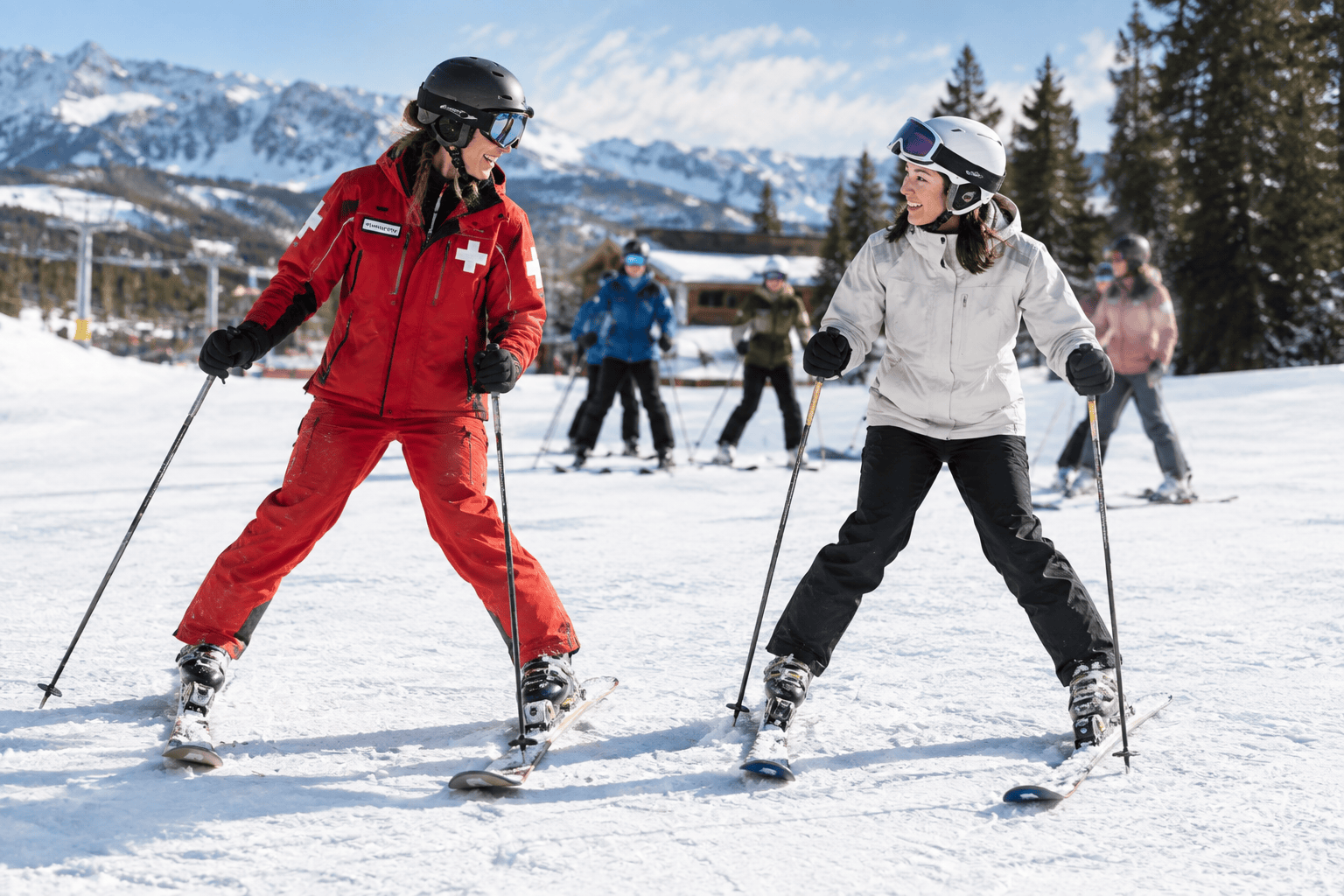
- Take a Lesson Before You Take a Run
It's tempting to have a friend give you a five-minute crash course and head straight for the lift, but this is consistently the number one mistake flagged by instructors and experienced skiers alike. A professional lesson teaches you how to control your speed, turn, and stop safely — skills that determine whether you stay upright or become a hazard to others.
Across ski community forums, this is the most repeated piece of advice given to first-timers, often ahead of anything related to gear or terrain. Even a single group lesson, which is far cheaper than private instruction, builds a foundation that self-teaching or following friends simply can't replicate. If you remember only one rule from this article, make it this one.
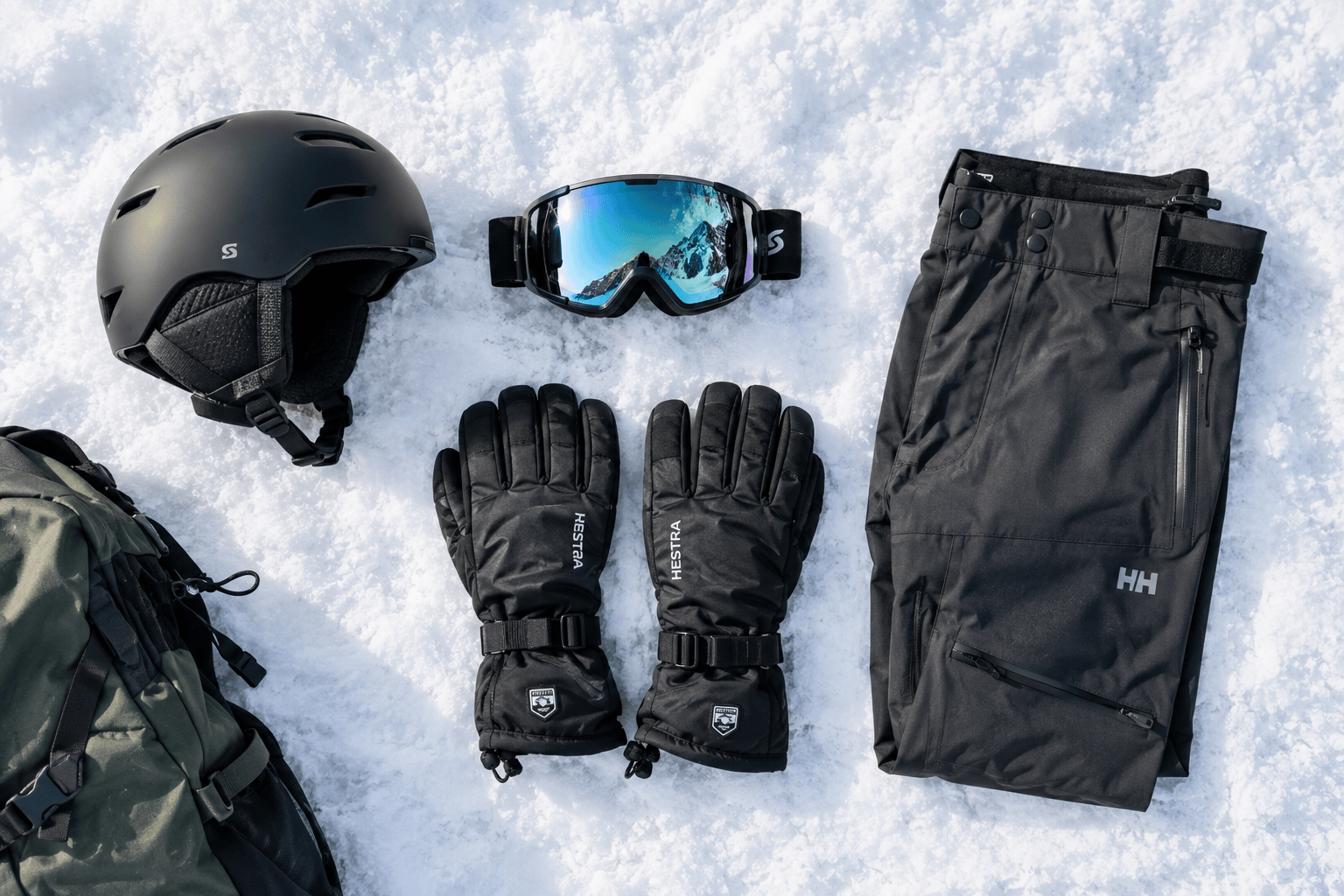
- Wear the Right Protective Gear
A helmet is no longer optional equipment — it's standard practice for skiers of every level, beginners especially. Most falls and minor collisions are harmless with a helmet on and far riskier without one. Pair it with:
- Goggles rather than sunglasses — they protect against wind, glare, and snow blindness, and stay in place better during falls.
- Waterproof, ski-specific outerwear — cotton layers like jeans soak through quickly and leave you cold, wet, and distracted, which itself becomes a safety issue.
- Properly fitted boots and bindings, set up by a professional at a rental shop rather than adjusted casually. Bindings that release incorrectly are a common source of knee injuries.
Community advice on ski forums frequently echoes this: don't over-layer expecting to freeze — most beginners overheat faster than expected once they're moving — but never skip the helmet, goggles, or proper boot fit.
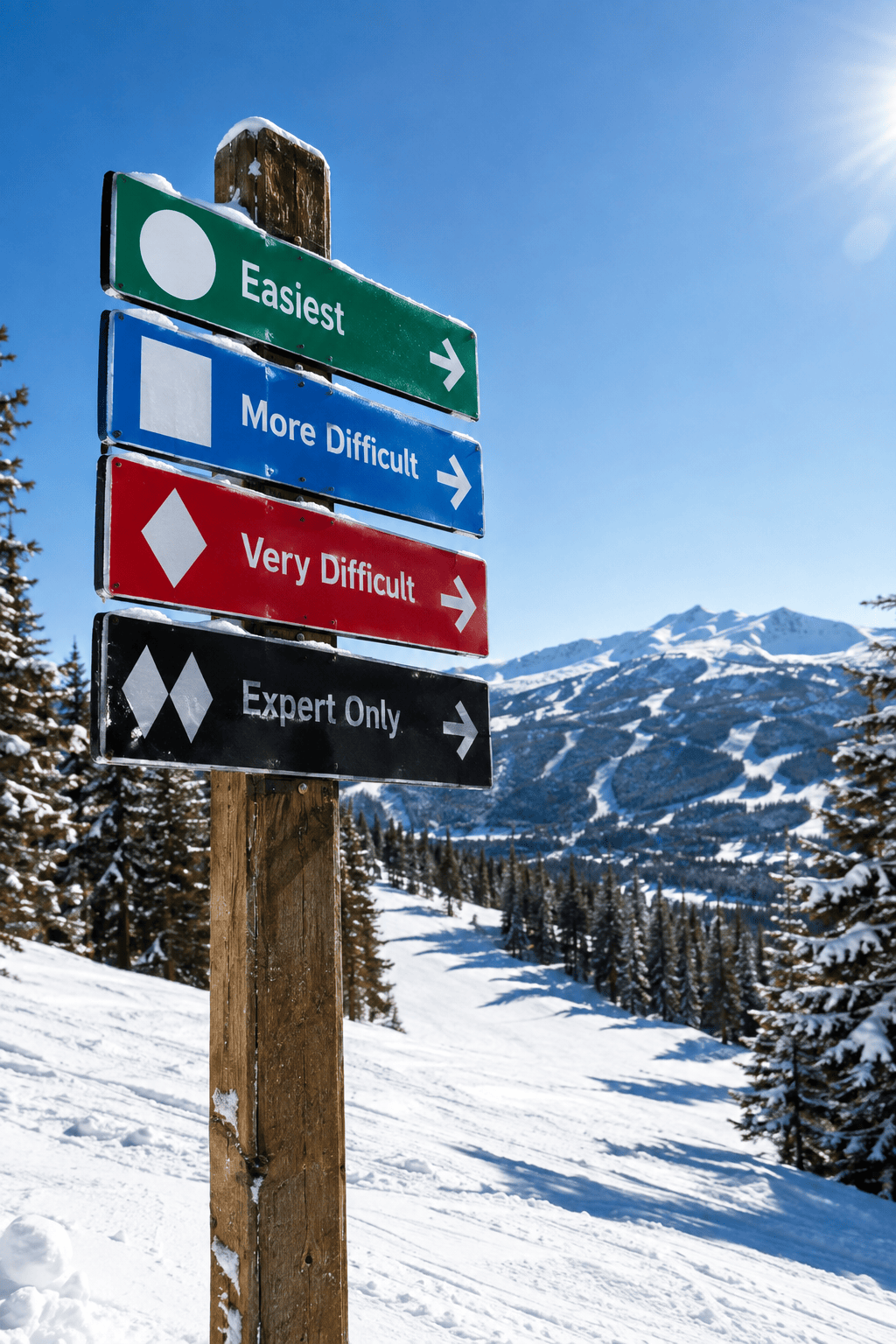
- Choose Slopes That Match Your Skill Level
Green (beginner) runs exist for a reason, and the temptation to follow more experienced friends onto a blue or black run on day one is one of the most common ways beginners get hurt. Stick to green circle trails until you can comfortably turn, control your speed, and stop on command — not just survive the run, but do it with control.
Progression should be gradual: green, then blue, then red or black only once you have real confidence and mileage behind you. If you're skiing with a faster group, it's worth explicitly telling them you'll catch up later rather than forcing yourself onto terrain beyond your ability just to keep pace.
- Learn — and Follow — the Skier's Code
Every resort operates on an informal but universal code of conduct, and understanding it is as important as your turning technique:
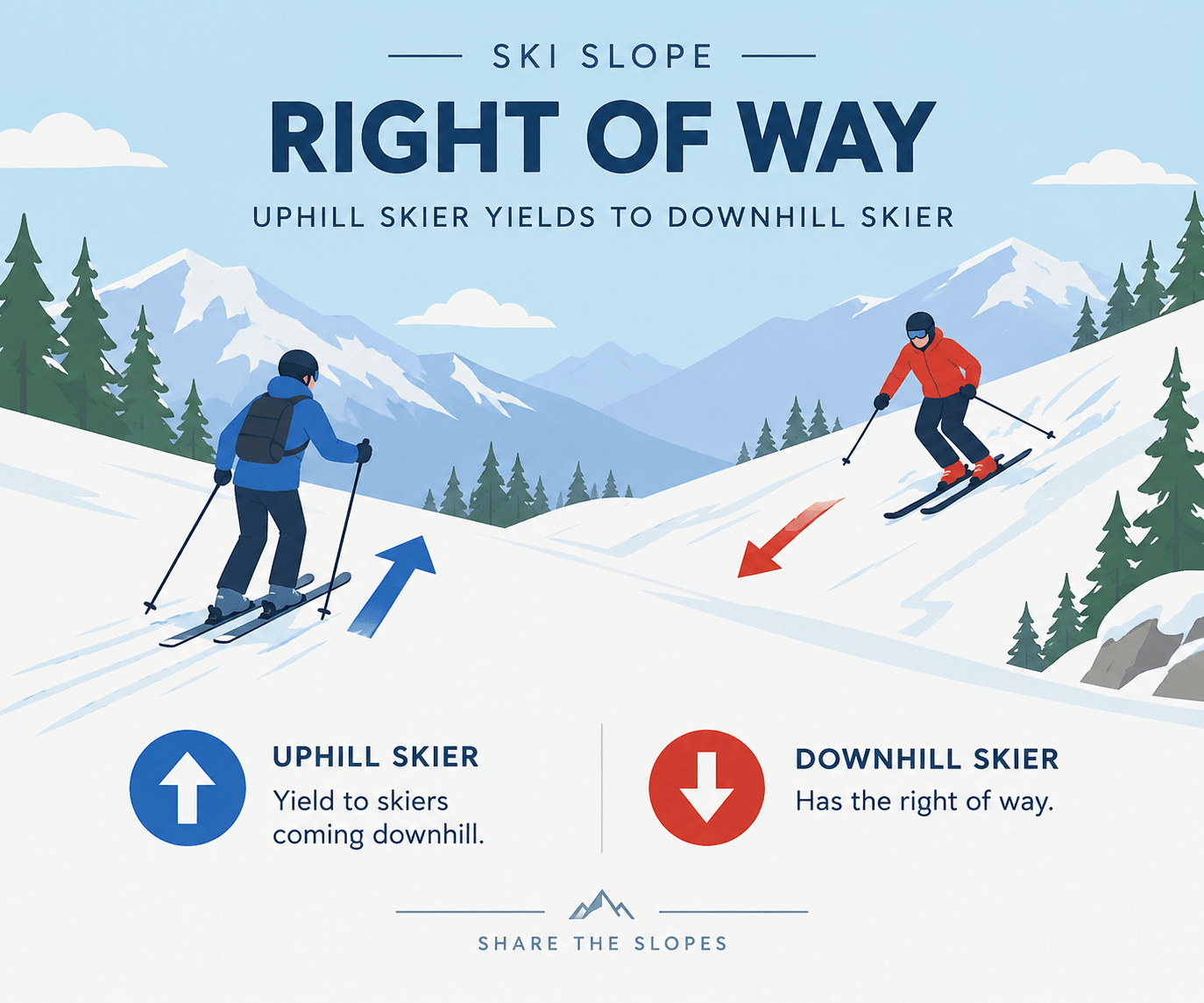
- Yield to skiers below you. The person downhill has the right of way because they can't see you coming.
- Look uphill before merging or starting off, especially after a fall or a break.
- Pass with space, and never in a way that could startle another skier.
- Never stop in a blind spot — just below a rollover, around a bend, or at the landing of a jump. Move to the side of the trail where you're visible.
- Stay aware of your surroundings at all times, since most collisions come from skiers who simply weren't looking.
This code isn't just etiquette — it's the single biggest factor separating a mountain full of safe skiers from one full of near-misses.
- Master the Fundamentals Before Speed
Beginners are often eager to build speed before they've built control, but two skills matter more than anything else early on: the snowplow (wedge) position for slowing and stopping, and turning by shifting weight between your feet. Ski forums are full of first-timers who say the biggest confidence shift came the moment they trusted their snowplow to actually stop them — it's worth practicing on flat ground before your first real run.
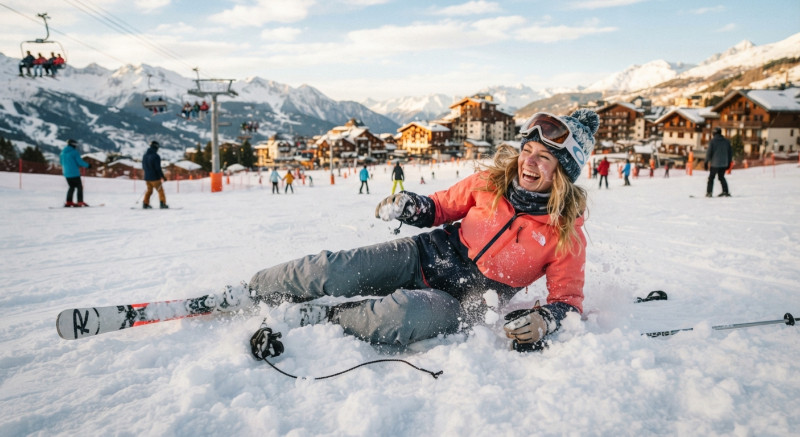
Falling, too, is part of the learning process and is rarely as painful as beginners fear, especially at low speed. What matters is falling in a way that keeps you clear of the trail and getting back up (or moving aside) quickly so you're not a hazard to others coming down.
- Manage Fatigue, Hydration, and Altitude
Cold weather masks both dehydration and exhaustion, and altitude adds a layer most beginners underestimate. A rush of early success often tempts new skiers into skiing longer than their bodies can safely handle — and fatigue is when form breaks down and injuries happen.
Practical rules:
- Drink water regularly, and go easy on alcohol and caffeine, both of which worsen dehydration at altitude.
- Take breaks before you feel exhausted, not after.
- Bring snacks to maintain energy, particularly on longer resort days.
- If you feel unusually dizzy, nauseated, or short of breath, treat it as possible altitude sickness and seek help rather than pushing through.
- Get Your Equipment Checked, Every Time
Rental bindings should always be set by resort professionals based on your weight, height, and ability level — never adjusted casually by a friend or guessed at. Ill-fitted bindings are a leading cause of avoidable knee and leg injuries, precisely because they either release too easily or don't release when they should.
The Bottom Line
Skiing safety for beginners really comes down to five habits: get real instruction, wear the right gear (helmet included), stay on terrain that matches your skill, respect the skier's code, and know your physical limits. None of these require expensive equipment or advanced technique — just a willingness to start slow and build up. Do that, and your first day on the mountain is far more likely to end with sore legs and a big smile than with a trip to the ski patrol hut.